





.png?width=1920&height=1080&name=Consulting2_Menu_1%20(1).png)









Healthcare is shifting to proactive, real-time systems powered by connected data, smart devices, and AI-driven feedback loops, improving safety, reducing costs, and enabling value-based, continuous care beyond hospitals.
A quiet shift is underway in healthcare. The focus is moving beyond reacting to illness. Today, the goal is to anticipate what’s coming, so care teams can act earlier, with more clarity. This transformation isn’t the result of any single breakthrough. It’s taking shape through thousands of small, connected moments, powered by data that flows in real-time.
Each interaction, be it a bedside note, a heartbeat from a wearable, a message from a device, adds something new. On their own, these pieces say little. Systems designed to gather and connect these signals begin to reveal patterns that weren’t visible before. Over time, they shift from simply recording what happens to learning from it and adjusting how care is delivered.
Decision tools improve. Monitoring becomes sharper. With every loop of feedback, the care system becomes just a little smarter.
Why real-time matters
Timing changes everything in care. A few extra minutes can help avoid a crisis, shorten a hospital stay, or stop a transfer before it starts. Real-time systems give clinicians that window to step in early, turning what might have been a reaction into a timely decision.
A health system built a pipeline to process more than 300,000 HL7 messages a day, capturing admissions, discharges, and transfers in real time. This change gave clinical teams a chance to act sooner, leading to $1.3 million in annual savings and reducing financial losses by $80,000.
In another case, a MedTech company used a hybrid edge-cloud setup to stream telemetry from thousands of infusion pumps. This made it easier to catch dosage issues early. As a result, safety incidents dropped by 30%, and maintenance costs fell by half a million dollars a year.
Infrastructure that learns
Health data arrives in bursts and fragments. It comes from different tools, moves at different speeds, and rarely follows the same format. Making sense of it all takes more than storage. It takes design that expects disorder – and knows how to organize it.
Data pipelines help bridge this complexity. They link together systems like EHRs, insurance claims, wearables, and diagnostic tools – so that the information can move securely and consistently. Standards like HL7 and FHIR help make these handoffs work, even across aging platforms.
As the data moves, it’s shaped into something usable. Behind the scenes, it’s cleaned, structured, and enriched before reaching analytics teams or clinical systems. The work happens in moments, but its impact is lasting.
In healthcare, there’s little room for compromise. Systems need to be built with protection in mind from the start. Privacy, security, and resilience can’t be tacked on after the fact – they have to be part of the foundation. When the stakes are high, consistency becomes everything.
How systems learn
Storing information isn’t the same as learning from it. For that, systems need feedback –real outcomes that feed back into the loop.
AI systems improve when predictions are compared with real outcomes. That feedback helps models fine-tune their responses, learning what’s effective, what missed the mark, and where adjustments are needed. This is how decision support becomes more precise, and care evolves with every cycle.
Responsive by design
This kind of infrastructure is already improving how care is delivered. In diagnostic imaging, for example, some networks now use real-time load balancing to reduce wait times and make better use of scanners. One such setup improved utilization by 20%.
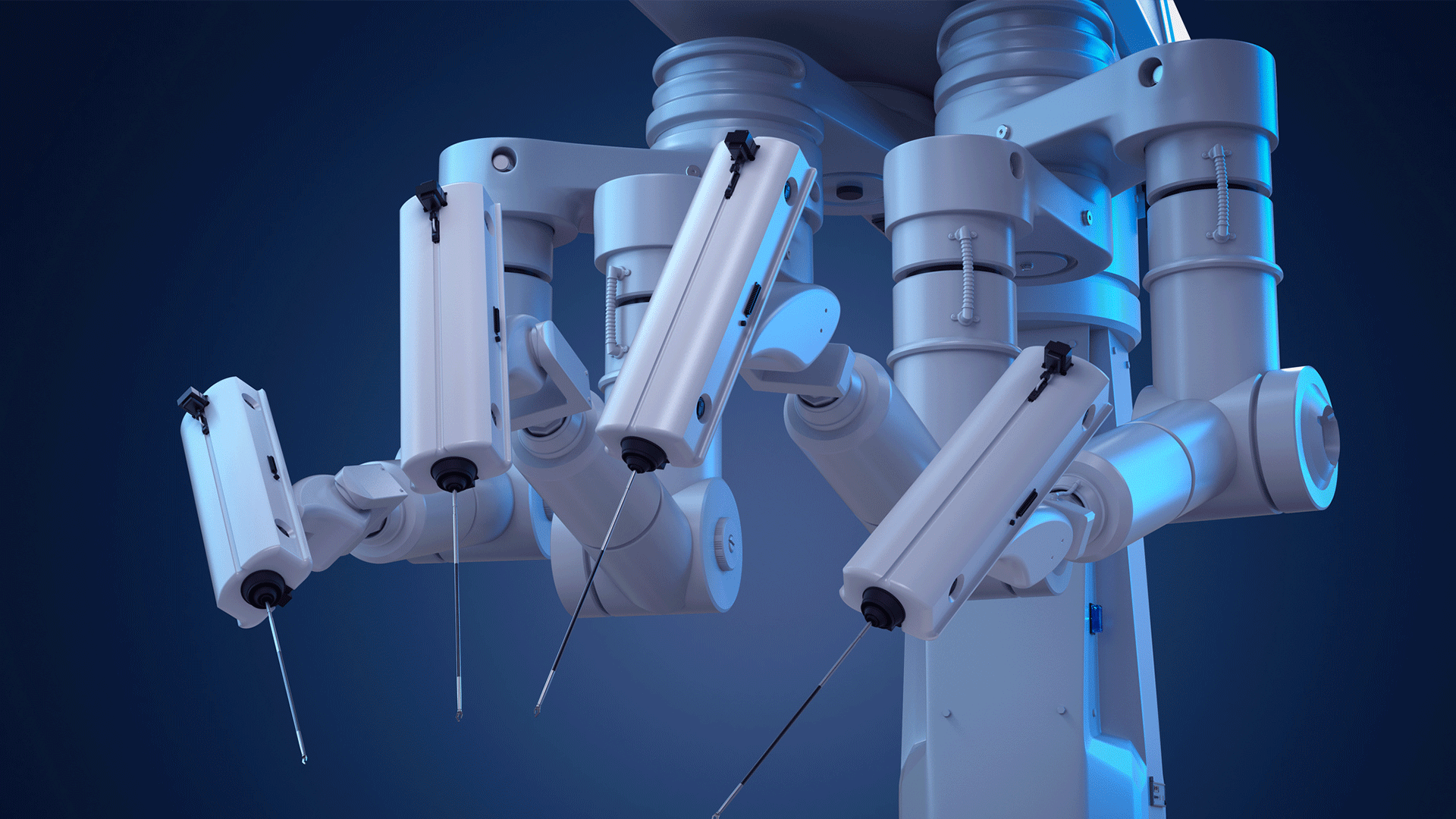
In surgical settings, telemetry from robotic tools helped predict when maintenance was needed before breakdowns happened. One robotics program used this insight to cut unplanned maintenance by 35%, keeping operating rooms running more smoothly and helping teams avoid mid-procedure disruptions.
These aren’t just upgrades in efficiency. They show how systems, when designed with the clinical reality in mind, can offer quiet, lasting support.
Extending care beyond the hospital
Discharge no longer means disconnection. For patients managing chronic conditions, remote care programs have changed what happens after they leave the hospital.
One such initiative pulled continuous data from wearables, implants, and diagnostic devices into a secure cloud system. Care teams could monitor trends, identify risks early, and step in before issues got worse.
In patients with chronic conditions, timely support made a measurable difference. Readmissions dropped by almost 40%. Simple check-ins and reminders helped people stay on course – not through pressure, but with steady, well-timed guidance.
At scale, the results were even clearer. For every 10,000 patients, the program saved more than USD 1 million a year. Fewer emergency visits, better medication habits, and smoother care coordination all played a role.
Behind the scenes, the technology remained quiet: easy-to-use apps, real-time dashboards, and cloud tools that handled complexity without making care more complicated.
A case in example
A MedTech client was looking to develop a remote monitoring setup to bring patient care directly to the home.
The project involved solving challenges that included connecting older devices, standardizing all the messy data, and ensuring everything remained secure and compliant.
The result was a seamless system where smart devices, such as glucose monitors and ECG wearables, stream real-time data to the cloud. This enables clinicians and patients to spot issues early, adjust care on the fly, and reduce unnecessary hospital visits, which makes care more personalized and proactive.
Bringing ideas into use
What earns a system a place in daily care isn’t its feature list. It’s how it behaves when it matters most. The most effective tools don’t try to do too much. They offer just the right amount of guidance, stay quiet when they’re not needed, and fit into the flow of care without making it harder.
What makes a system dependable isn’t how much it can do; it’s how well it’s grounded. Privacy, interoperability, and reliability aren’t things to tack on later. When they’re part of the foundation, it shows. People feel more comfortable using the system because it works the way it should, right from the start.
Without that kind of baseline, even well-built tools can fall flat. Clinicians tend to stick with systems that feel intuitive – tools that help without interrupting, adapt without effort, and stay quietly in sync with the way care actually happens.
Looking ahead
Integration of smart medical devices is transforming healthcare by making continuous patient monitoring a practical reality. This shifts the focus from reactive treatments to proactive and preventive care.
This evolution not only enhances patient safety and outcomes but also reduces costs by minimizing unnecessary hospitalizations.
For MedTech companies, this presents a strategic opportunity to empower Providers with intelligent, connected care solutions that support scalable, value-based healthcare models beyond traditional clinical settings.
This article is published on Dataquest.































.webp?width=400&height=400&name=The%20future%20of%20Healthcare%20(1).webp)









.png?width=400&height=400&name=7-Jun-13-2025-02-27-19-6568-PM%20(1).png)


